integrative
neurobiological
rehabilitation
Attention disorders, vertigo, dyslexia, tinnitus, Parkinson's: however different they may seem, these conditions all stem from a disorganised nervous system. Our centre brings together the expertise and specialised equipment needed to address motor, sensory and metabolic aspects simultaneously, under one roof.
what sets us
apart
Listening first, treatment second
The time devoted to each patient keeps shrinking in most practices. Here, your therapist starts by understanding your journey: the symptoms, their timeline, treatments already tried, and the day-to-day impact. Because the quality of the therapeutic relationship isn't a luxury — it determines treatment adherence, and therefore results.
A symptom always has multiple roots
A child who can't focus isn't simply suffering from an "attention problem". Their auditory processing may be poorly lateralised, their motor coordination deficient, their gut microbiome unbalanced — often all three at once. It is precisely because causes accumulate that isolated approaches plateau. By working on several levels in parallel, we achieve what each technique alone cannot.
Understanding to heal better
Not understanding what is happening to you breeds stress, which in turn slows recovery. We therefore take the time to explain every step: the origin of your symptoms, how the proposed treatment works, and what you can reasonably expect. A patient who understands their condition engages more fully in rehabilitation — and progresses faster.
« The brain cannot be rehabilitated piecemeal. Neuroplasticity — the nervous system's ability to reorganise itself — only truly activates when you stimulate multiple channels at once: movement, listening, biochemistry. It is this combination that produces lasting results. »
specialised tools,
combined according to diagnosis
Depending on the condition, we draw on all or some of these resources. The protocol for a child with ADHD has nothing in common with that of an adult suffering from vertigo — but the principle remains: intervene at the right place, at the right time, in a coordinated way.
Giger MD® and MOTOmed
Lying in a reclined position, the patient performs rhythmic, coordinated movements of all four limbs. This stimulation engages both spinal and cortical motor centres, promotes the creation of new neural connections, and strengthens coordination, balance and attention. It is used in the management of ADHD, dyslexia, Parkinson's, stroke, stuttering and ASD.
Audio-psycho-phonology
The patient listens to filtered music based on the principles of Alfred Tomatis, in intensive phases lasting several days. This work rehabilitates the audio-vocal loop, improves auditory laterality, sensory processing and emotional regulation. It is particularly effective in children for attention disorders, dyslexia and stuttering.
Vertigo and balance disorders
A dedicated field with its own technical platform: Framiral posturography platform, optokinetic stimulator, rotary chair, videonystagmoscope. Comprehensive VNG assessment, liberatory manoeuvres and progressive rehabilitation through habituation and sensory substitution are carried out by our VIRE-certified vestibular physiotherapist.
Gut-brain axis and photobiomodulation
Microbiome and micronutrient testing identifies the metabolic imbalances that sustain neurological symptoms: chronic inflammation, intestinal permeability, cofactor deficiencies. This approach is complemented, where appropriate, by photobiomodulation (LLLT), particularly for tinnitus, stroke and electrosensitivity.
each programme draws on
the right tools
from first contact to results
A structured, step-by-step process.
Free consultation
During a thirty-minute session, our advisor assesses your situation and determines whether one of our programmes could be beneficial.
Initial assessment
The therapist carries out a comprehensive evaluation — tests, sensory profile, medical history — from which your personalised protocol is developed.
Intensive programme
Daily sessions take place over concentrated periods of a few days to a few weeks, in order to make the most of the nervous system's plasticity.
Follow-up and adjustment
Interim assessments allow the protocol to be fine-tuned through successive phases, until the progress achieved has stabilised.
our patients speak
specialists who
work together
Physiotherapists, practitioners and advisors practise under the same roof, enabling genuine coordination of your care.
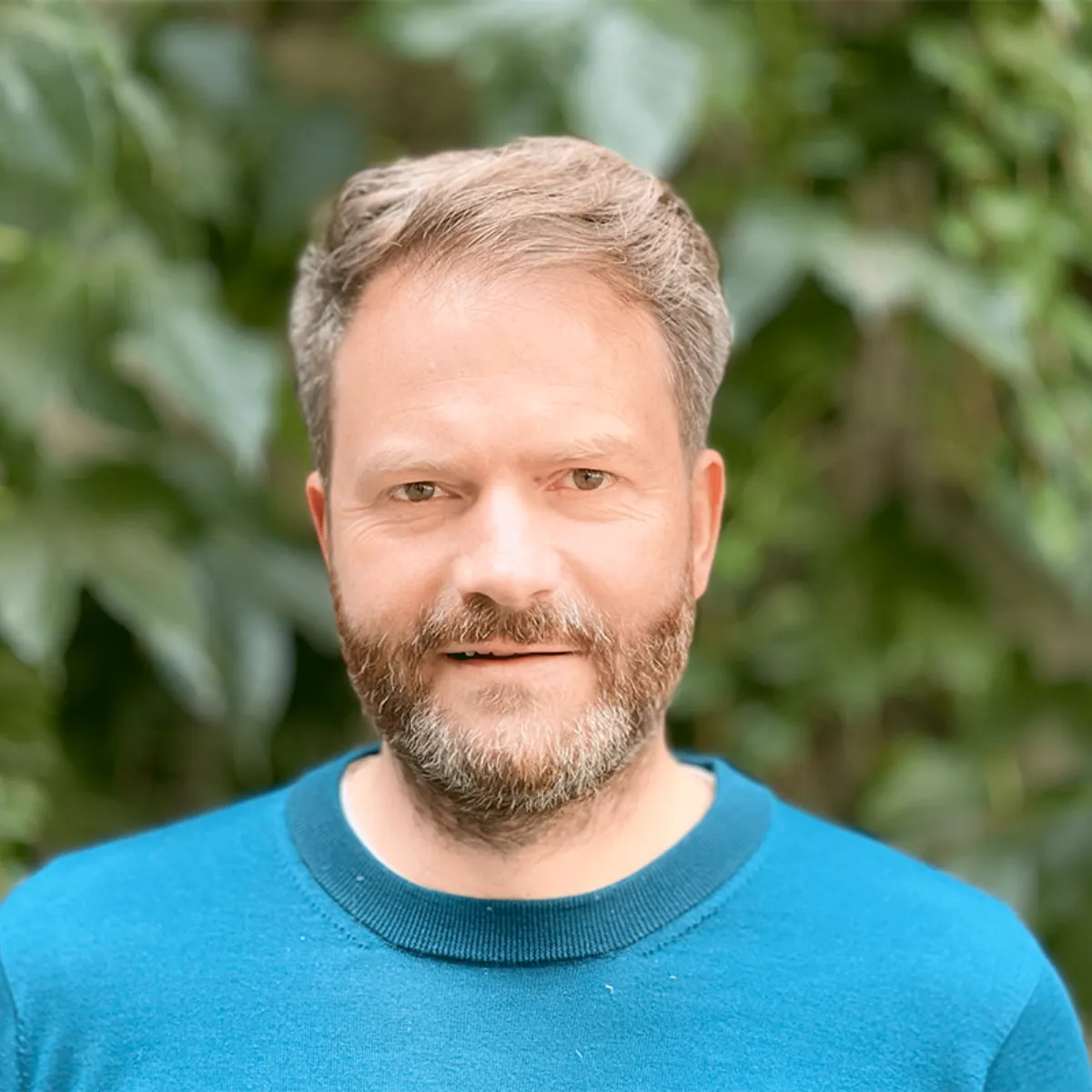
Julien Frère
Founder, psycho-social counsellor, audio-psycho-phonology
View profile →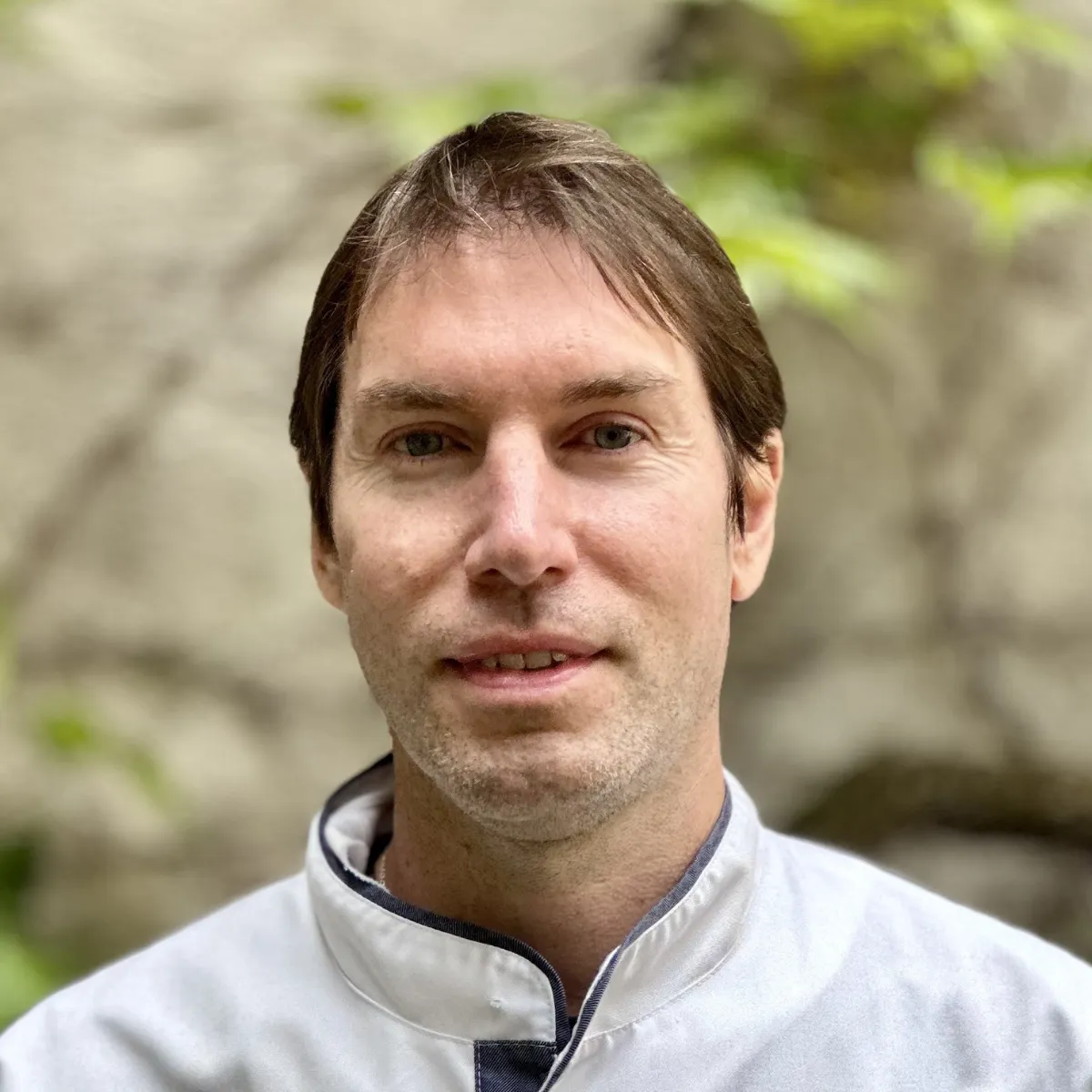
Jean-Jacques Lagarde
Physiotherapist specialising in vestibular rehabilitation, 16 years' experience
View profile →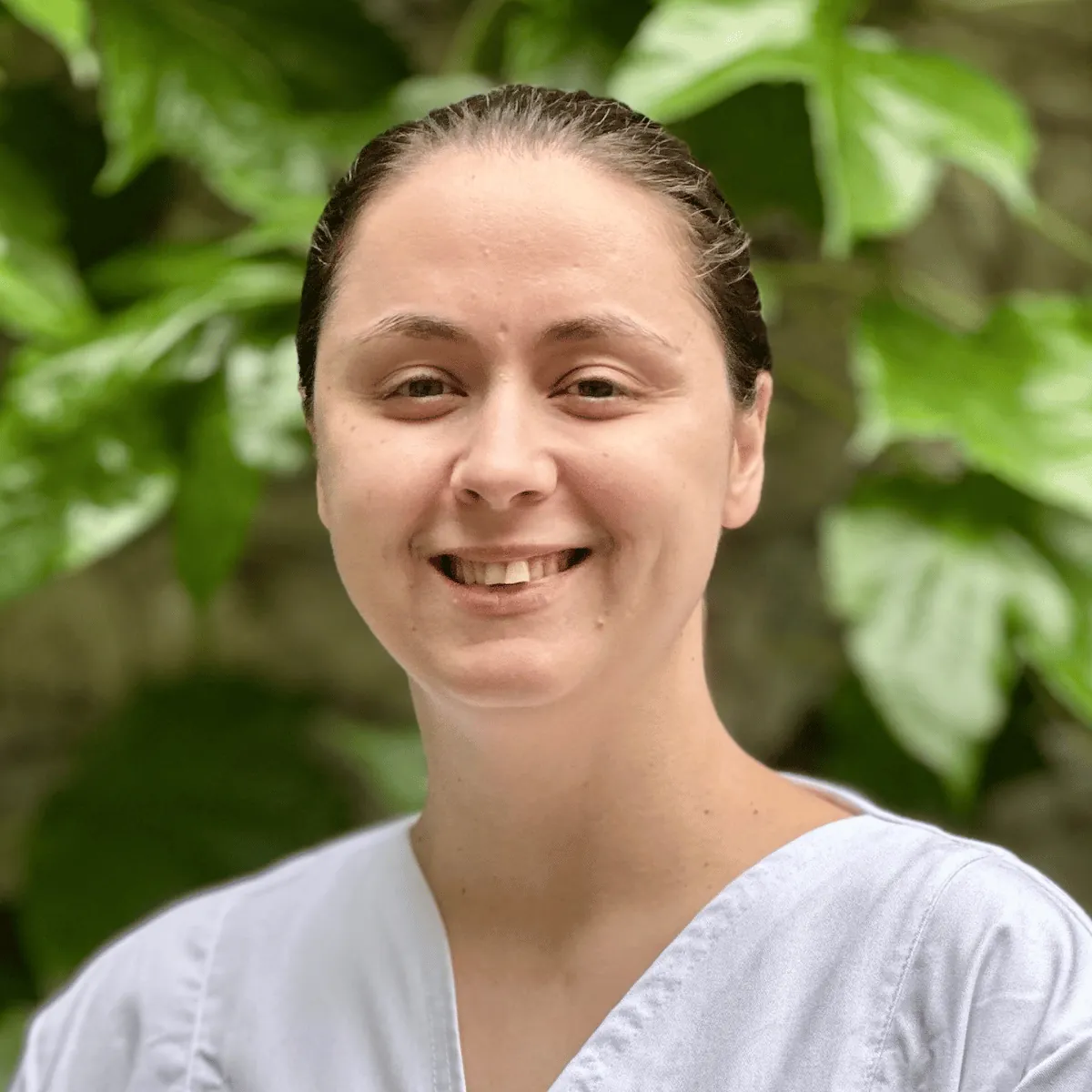
Laëtitia Héritier
Specialised physiotherapist, oro-maxillofacial rehabilitation and Giger MD
View profile →have a question about
your situation?
Our advisor can determine whether one of our programmes matches your needs. Thirty minutes, no commitment.
1204 Genève