ADHD Program with MOTOmed
Our neurological physiotherapy program for children with neurodevelopmental disorders acts on 3 levels: MOTOmed muvi for coordination and attention, filtered music for listening and language, microbiota for the gut-brain axis. Covered by basic insurance with delegation order, it enables serious progress in a few months.
Reducing ADHD, ASD and sensory integration disorders: our "movement + music + microbiota" program
At the Activate center in Geneva, we have designed a non-medication neurological physiotherapy program that targets three complementary axes: coordinated movements on MOTOmed muvi, neuro-auditory stimulation and intestinal microbiota rebalancing. The objective: to act on the functional causes of neurodevelopmental disorders (NDD), rather than masking the symptoms.

When we act early, during brain development, the benefits are much deeper. In children, the brain is said to be plastic: its neural circuits modify rapidly in response to stimulations. Each sensory, motor or emotional experience durably shapes these connections. Early intervention therefore allows correcting imbalances (attention, language, sensory integration) when networks are being built.
Does your child present symptoms such as attention and concentration difficulties, hyperactivity or motor agitation, sensory hypersensitivities (to noise, touch, light), language delays or disorders, coordination and fine motor problems, anxiety, irritability or sleep disorders? These manifestations, frequent in neurodevelopmental disorders, can be significantly reduced through our program combining coordinated movement, filtered music listening and intestinal rebalancing. Don't wait: make an appointment today.
Book an online appointment for an information session
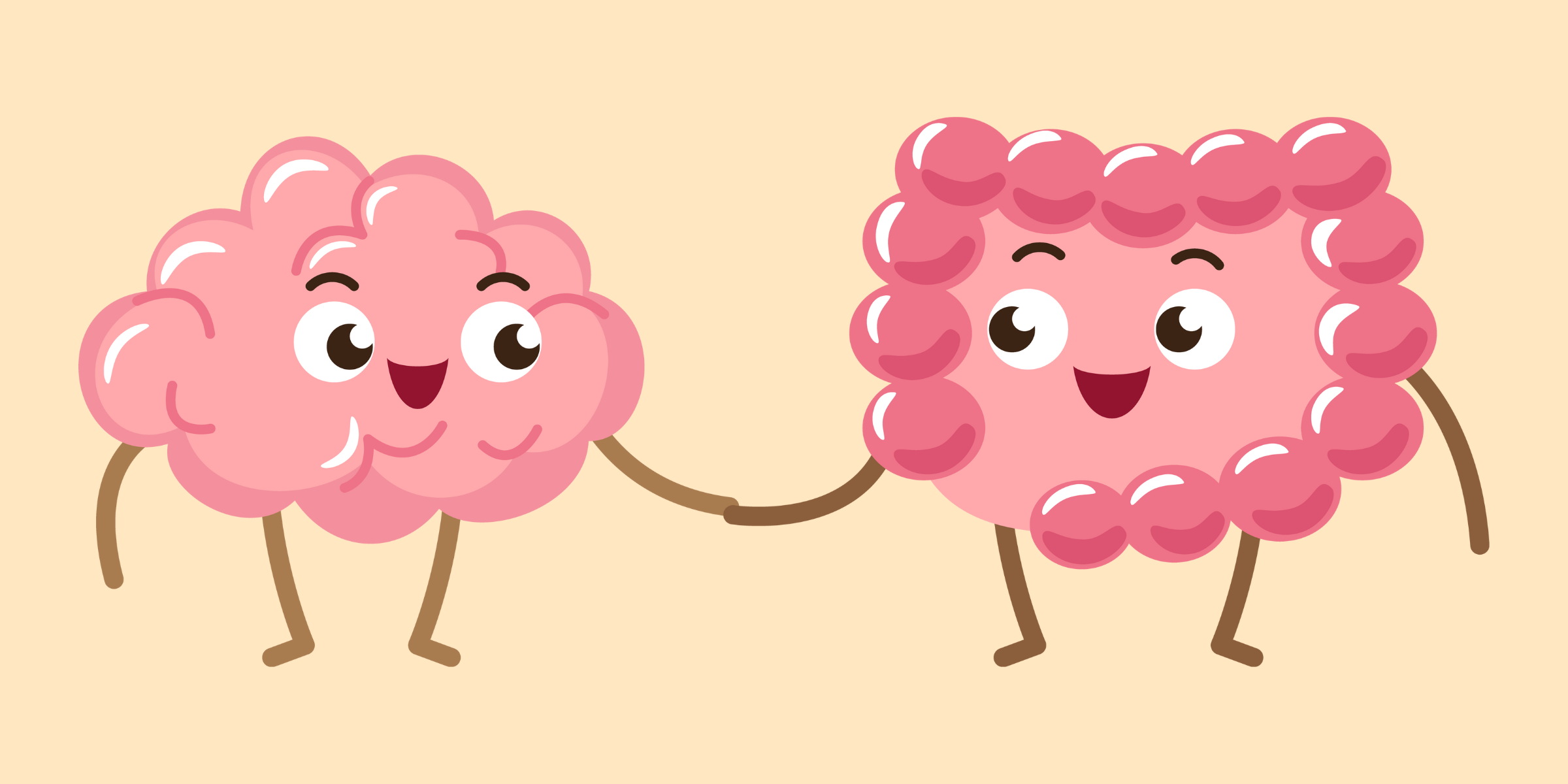
1) What's dysfunctional: brain and gut, a bidirectional axis
The clinical observation: ADHD, ASD and sensory integration disorders are often accompanied by attention difficulties, impulsivity, hypo/hypersensoriality, dyspraxias and language disorders. Many children (and adults) also have digestive troubles, food selectivity and emotional variability.
What happens in a neuroatypical brain
Attention and executive function networks: fronto-parietal and cingulate connectivity sometimes ineffective → difficulty filtering information and planning.
Sensory integration: sensory "gating" (stimulus sorting) is altered → noise, touch, light can be experienced as intrusive.
Cerebellum and basal ganglia: circuits of rhythm, coordination and motor/attentional automatization sub-optimal → slowness, fatigability, "hesitant" gestures.
Inter-hemispheric communication: cooperation between hemispheres sometimes asymmetric → impact on language, prosody and lateralization.
But it also plays out in the gut!
Dysbiosis: disturbed bacterial balance, altered production of short-chain fatty acids (butyrate) essential for the epithelium and neuro-immune modulation.
Intestinal permeability and low-grade inflammation: circulating pro-inflammatory signals that can influence mood, attention and sensory reactivity via the vagus nerve and immune system.
Functional deficiencies: fibers, polyphenols, omega-3, magnesium... insufficient to support neurotransmission and plasticity.
2) MOTOmed muvi: coordinating hands and legs to rewire circuits
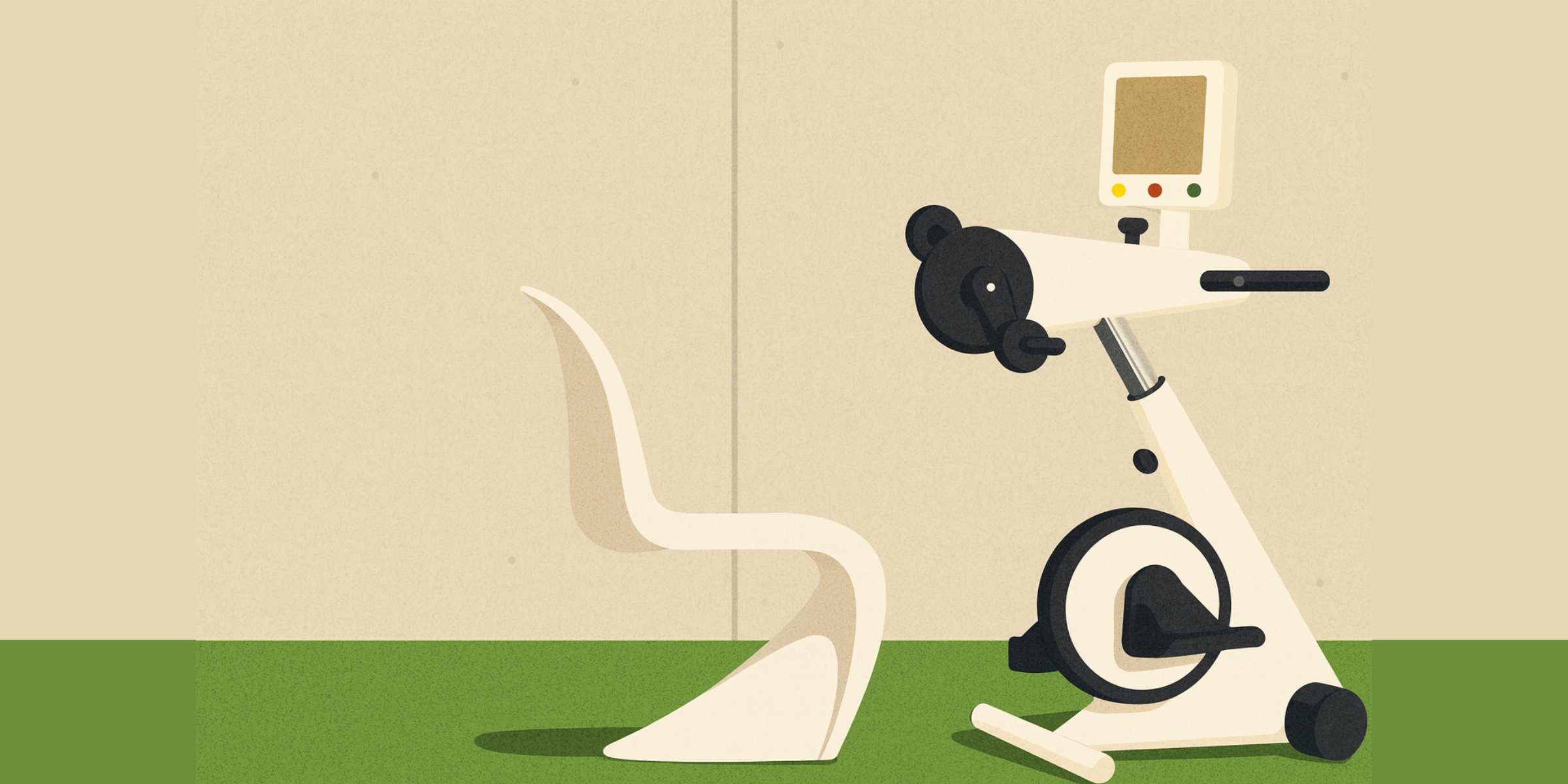
MOTOmed muvi is a medico-therapeutic ergocycle enabling synchronized pedaling of upper and lower limbs. This bilateral and rhythmic action combines proprioception, vestibular and gentle aerobic effort.
Bilateral coordination: strengthens hemispheric communication and the "timing network", useful for sustained attention and language.
Rhythmicity: the cadenced movement promotes anticipation and automatization (cerebellum, basal ganglia), reducing cognitive load.
Sensori-motor: hand-eye-foot alignment, under visual and tactile guidance, improves sensory "gating" and postural stability.
Autonomy and motivation: visual feedback, graduated objectives, short but regular session → generate high adherence in children.
3) Music filtered by bandwidth: re-educating the ear for attention and language
Neuro-auditory stimulation uses filtered music (air + osteoconduction) to train the ear and afferent pathways to the cortex.
Attentional modulation: reconditions sensitivity to frequency contrasts, facilitating selective listening and concentration in noisy environments.
Vestibulo-cochlear integration: improves fine postural tone and stability, useful for writing, reading and motor skills.
Language and prosody: better temporal and frequency discrimination → support for phonological awareness and oral fluency.
Emotional regulation: rhythmic and predictable listening soothes hypervigilance and facilitates social engagement.
4) Functional approach to microbiota: repairing the terrain
We conduct a functional evaluation (habits, symptoms, sometimes targeted tests) then a progressive plan:
Dietary hygiene: nutritional density, varied fibers, quality proteins, carbohydrate distribution adapted to tolerance.
Reseeding: prebiotics (well-tolerated FODMAPs, resistant starch), targeted probiotics, fermented foods when possible.
Mucosal repair: butyrate/tributyrin, glutamine, polyphenols, omega-3 for epithelium and immune balance.
Rhythms and stress: sleep, light/day exposure, breathing and vagal activation to support the gut-brain axis.
I'm interested, I'm booking an appointment online now!
Expected effects: separately and combined
MOTOmed muvi
Better bilateral coordination, body schema and postural stability.
Decreased motor agitation through gesture automatization.
Increased attentional endurance through rhythm.
Neuro-auditory stimulation
Improvement in selective listening and sensory tolerance.
Gain in phonological awareness, prosody and verbal fluency.
Emotional soothing and increased social engagement.
Microbiota
Reduction of bloating, pain and intestinal irregularities.
More stable energy, less irritability linked to glycemic fluctuations.
Anti-inflammatory background conducive to brain plasticity.
Synergy of the three approaches
From body to brain: rhythmic movement prepares attention networks to better benefit from auditory stimulation.
From ear to cognition: listening trains the circuits that then improve the quality of motor sessions.
From gut to regulation: a soothed metabolic terrain supports attentional and emotional availability.
Why is it innovative?
Because our program at the Activate center is non-medication, addresses functional causes and doesn't just mask symptoms. It respects neurodiversity while offering concrete tools to better learn, communicate and calm down, at one's own pace, with observable results.
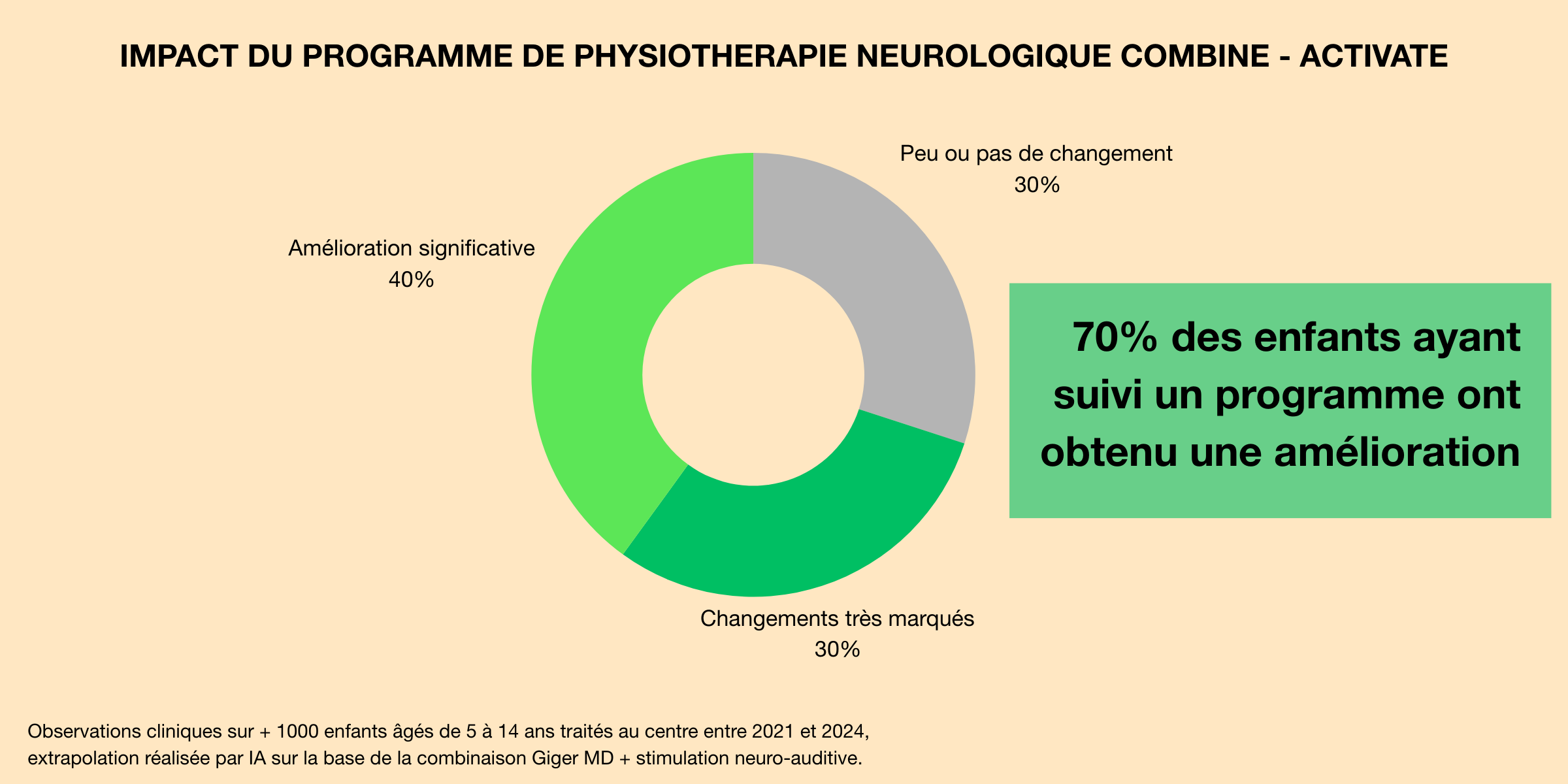
Concretely, how it works
Orientation interview and initial assessment (sensory profile, motor skills, lifestyle habits, digestion).
Personalized plan combining MOTOmed muvi sessions, Tomatis listening protocols and microbiota rebalancing steps.
Regular follow-up: adjustments, functional measurements and home transfer.
Let's talk about it
Would you like to know if this program suits your child (or yourself)? Contact our advisor at the Activate center in Geneva: we will guide you to the most relevant and tolerable protocol for your situation.
Click here to make an appointment with our advisor
Article sources: Li et al., Nutrients, 2021. https://doi.org/10.3390/nu1302049 and Brown et al., Neuroscience & Biobehavioral Reviews, 2025. https://doi.org/10.1016/j.neubiorev.2025.104299