
Ginkgo Biloba and Tinnitus: Separating Fact from Fiction
Tinnitus affects approximately 10 to 15% of the Swiss population. Faced with this often difficult-to-live-with symptom, many people turn to natural solutions, including Ginkgo biloba. But what does science really say about the effectiveness of this plant for treating tinnitus?
What is Ginkgo biloba?
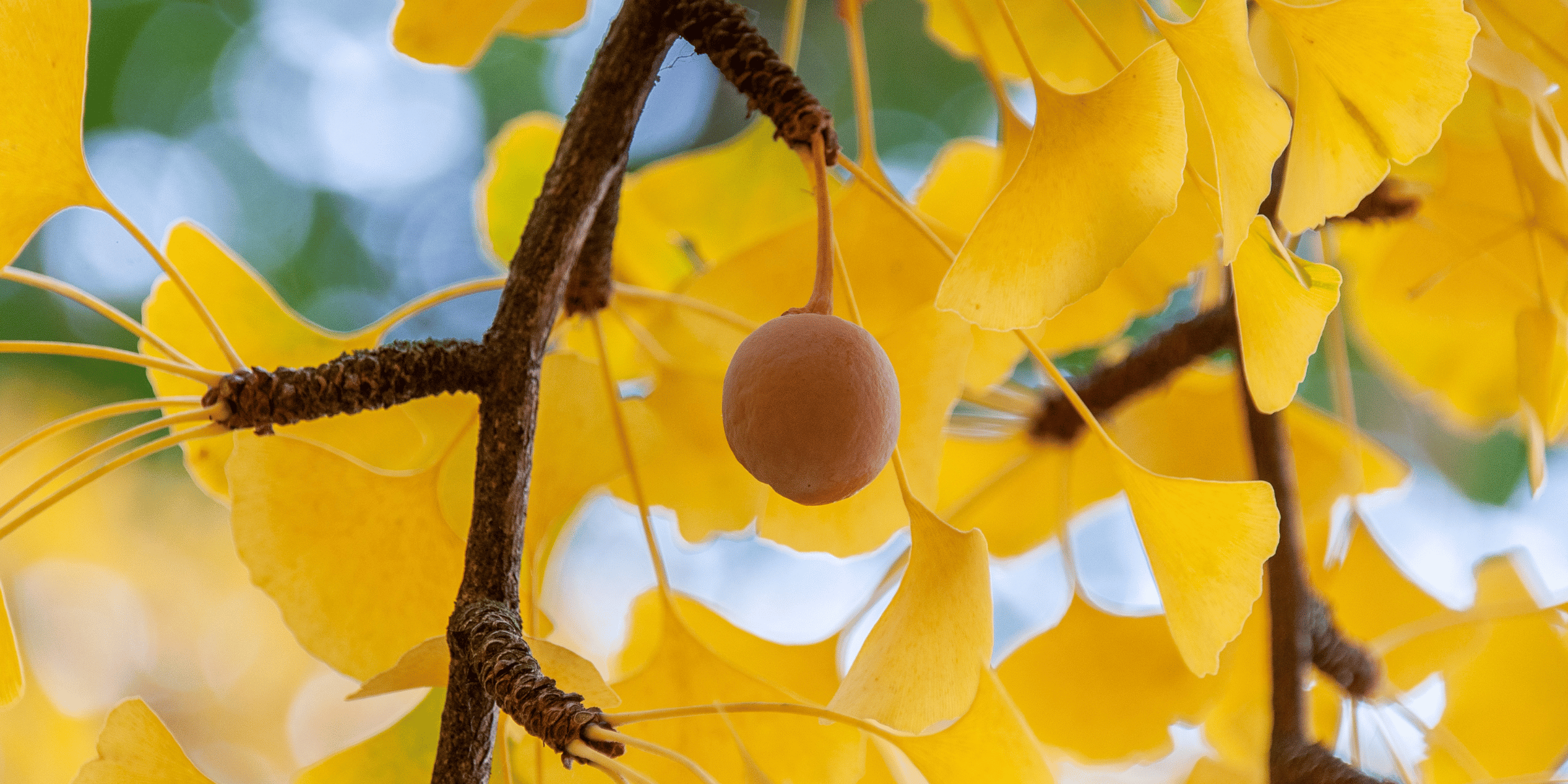
Ginkgo biloba is a medicinal plant derived from the leaves of the tree of the same name. Used for centuries in traditional Chinese and Japanese medicine, it contains several bioactive compounds:
Flavonoids: antioxidant compounds naturally present in fruits and vegetables
Terpenoids: organic molecules synthesized by plants
Ginkgolides: compounds specific to Ginkgo biloba
Ginkgo extract is produced by extracting these active ingredients using solvents such as ethanol or water.
Discover our comprehensive treatment to fight tinnitus
Supposed Properties of Ginkgo
Several effects are traditionally attributed to Ginkgo biloba:
Antioxidant Action
Ginkgo does possess measurable antioxidant properties in the laboratory. It has a high ORAC (Oxygen Radical Absorbance Capacity) score, meaning it can neutralize free radicals in a test tube. However, the U.S. FDA recently removed ORAC scores from its website due to lack of evidence that these measurements correspond to real clinical effects on the body.
Anti-platelet Action
In the laboratory, Ginkgo biloba inhibits platelet-activating factor (PAF). However, randomized clinical trials have shown only minimal effect on stroke prevention, with no real clinical significance.
Anti-inflammatory Action
Studies have shown that Ginkgo extracts can decrease certain inflammatory markers in blood samples. However, this does not include CGRP (calcitonin gene receptor protein), the most important marker in neurogenic inflammatory conditions such as migraines and tinnitus.
Protection Against Dementia
Although Ginkgo has been studied in the context of dementia, the statistical improvements observed do not translate into clinically significant improvements. A meta-analysis of randomized double-blind placebo-controlled trials concluded that Ginkgo offers no benefit in preventing dementia [1].

Can Ginkgo Help with Chronic Tinnitus?
Several claims circulate about Ginkgo's effects on tinnitus. Let's examine them in light of scientific evidence:
| Claim | Scientific Validity | |
| Improvement of cochlear blood circulation | False: Experimental evidence shows that Ginkgo has no effect on inner ear blood circulation [2]. | |
| Anti-anxiety effects | False: The World Federation of Biological Psychiatry Societies (WFSBP) task force found no evidence supporting the use of Ginkgo biloba for anxiety [3]. | |
| Cellular protection | Mixed: Ginkgo may have an otoprotective effect due to its antioxidant properties. However, no human clinical trial has proven this; these effects have only been observed in gerbils. | |
Book your free consultation with our advisor
What Do Clinical Studies Say?
When examining well-designed studies (double-blind clinical trials comparing Ginkgo biloba to a placebo), the finding is clear: Ginkgo is ineffective for treating tinnitus. Systematic reviews and meta-analyses consistently reject Ginkgo as a tinnitus treatment. Here are some conclusions from five peer-reviewed academic articles:
➀ "We concluded that the use of Ginkgo biloba probably does not decrease the severity of tinnitus. Furthermore, it does not reduce tinnitus intensity or improve patients' quality of life" [4].
➁ "The limited evidence does not demonstrate that Ginkgo biloba is effective for tinnitus when it is the primary complaint" [5].
➂ "In conclusion, Ginkgo biloba provides no benefit to patients suffering from tinnitus" [6].
➃ "There is uncertainty about the benefits and risks of Ginkgo biloba for the treatment of tinnitus compared to placebo" [7].
➄ "There is overwhelming evidence that Ginkgo biloba plays no role in tinnitus" [8].
The Special Case of EGb 761 Extract
EGb 761 is a proprietary formulation of Ginkgo biloba, one of the few where concentration is standardized. However, even this extract is problematic:
The majority of positive results concern patients with dementia, not isolated tinnitus
The measures used are visual analog scales (sad to happy faces from 0 to 10) rather than validated questionnaires for assessing tinnitus severity
Results are presented in a way that suggests an effectiveness that is not clinically significant
In a randomized controlled trial, a "statistically significant improvement" corresponded to a reduction of only 0.41 on the visual scale – less than half a point. This difference is essentially negligible in terms of actual reduction in tinnitus severity.
Taking Ginkgo? Get advice by booking a session with our specialist
Side Effects of Ginkgo Biloba
Ginkgo biloba is not without risks. Here are the known adverse effects:
Increased risk of bleeding
Allergic reactions
Gastrointestinal disorders
Headaches
Dizziness and lightheadedness
Increased risk of seizures
Drug interactions
Medications that interact with Ginkgo include:
Anticoagulants and antiplatelet agents (warfarin, aspirin, clopidogrel)
Antidepressants (SSRIs, MAOIs)
Anticonvulsants (carbamazepine)
Antipsychotics (haloperidol)
Certain chemotherapy drugs
Supplements Available in Switzerland
In Switzerland, several dietary supplements for tinnitus contain Ginkgo biloba as their main ingredient, including Symfona. Given the lack of scientific evidence, these products should not be recommended for treating tinnitus despite their availability in pharmacies.
Assess your tinnitus intensity for free online now
Are There Useful Supplements?
No dietary supplement "cures" tinnitus. However, some can contribute to improvement as part of a comprehensive treatment program. For example, at the Activate Center we offer for our integrative program:
Vitamin D: A vitamin D deficiency is associated with increased tinnitus intensity. Clinical trials have shown that supplementation in deficient patients can improve symptoms.
Magnesium: May also be beneficial for similar reasons, especially as part of a comprehensive approach.
Effective Treatments Exist
Yes, tinnitus treatment is possible, but we must abandon the "miracle cure" mentality. There is no magic pill that will make chronic subjective tinnitus disappear. Dietary supplements can help, but they must be complementary to a comprehensive rehabilitation program.
Effective tinnitus treatment must target three objectives:
1. Reduce Cerebral Sensory Hypersensitivity
This can be achieved through a combination of prescription medications (when appropriate), targeted dietary supplements, and sound therapy like the Rest & Restore Protocol.
2. Rewire Brain Circuits That Perpetuate Tinnitus
This includes modified tinnitus retraining therapy, cognitive-behavioral therapy, mindfulness-based interventions, and lifestyle changes.
3. Identify and Manage Tinnitus Triggers
Research shows that tinnitus is linked to a migraine-like process in the brain, triggered by certain environmental factors. It is essential to identify and manage these triggers.
Conclusion
Despite its popularity and reassuring "natural" image, Ginkgo biloba has no place in tinnitus treatment. The scientific evidence is clear and convergent: this plant offers no significant clinical benefit for people suffering from tinnitus.
If you suffer from tinnitus, don't waste time and money on unproven solutions. Scientifically validated therapeutic approaches exist and can provide real relief. A comprehensive and personalized approach remains the best path to improvement.
To learn more, feel free to visit our website dedicated to tinnitus and other sensory hearing disorders: https://stop-acouphenes.ch/
Note: This article is inspired by the excellent work of the NeuroMed Tinnitus Clinic, which we have adapted and enriched for the Swiss context. We thank their teams for their scientific rigor and commitment to informing the public about evidence-based tinnitus treatments.
References
[1] Charemboon T, Jaisin K. Ginkgo biloba for prevention of dementia: a systematic review and meta-analysis. J Med Assoc Thai. 2015 May;98(5):508-13.
[2] Lamm K, Arnold W. The effect of blood flow promoting drugs on cochlear blood flow, perilymphatic pO(2) and auditory function in the normal and noise-damaged hypoxic and ischemic guinea pig inner ear. Hear Res. 2000 Mar;141(1-2):199-219.
[3] Sarris J, et al. Clinician guidelines for the treatment of psychiatric disorders with nutraceuticals and phytoceuticals: The World Federation of Societies of Biological Psychiatry (WFSBP) and Canadian Network for Mood and Anxiety Treatments (CANMAT) Taskforce. World J Biol Psychiatry. 2022 Jul;23(6):424-455.
[4] Kramer F, Ortigoza Á. Ginkgo biloba for the treatment of tinnitus. Medwave. 2018 Oct 17;18(6):e7295.
[5] Hilton MP, Zimmermann EF, Hunt WT. Ginkgo biloba for tinnitus. Cochrane Database Syst Rev. 2013 Mar 28;(3):CD003852.
[6] Rejali D, Sivakumar A, Balaji N. Ginkgo biloba does not benefit patients with tinnitus: a randomized placebo-controlled double-blind trial and meta-analysis of randomized trials. Clin Otolaryngol Allied Sci. 2004 Jun;29(3):226-31.
[7] Sereda M, Xia J, Scutt P, Hilton MP, El Refaie A, Hoare DJ. Ginkgo biloba for tinnitus. Cochrane Database Syst Rev. 2022 Nov 16;11(11):CD013514.
[8] Karkos PD, Leong SC, Arya AK, Papouliakos SM, Apostolidou MT, Issing WJ. 'Complementary ENT': a systematic review of commonly used supplements. J Laryngol Otol. 2007 Aug;121(8):779-82.